PhD Student · ECE, Carnegie Mellon

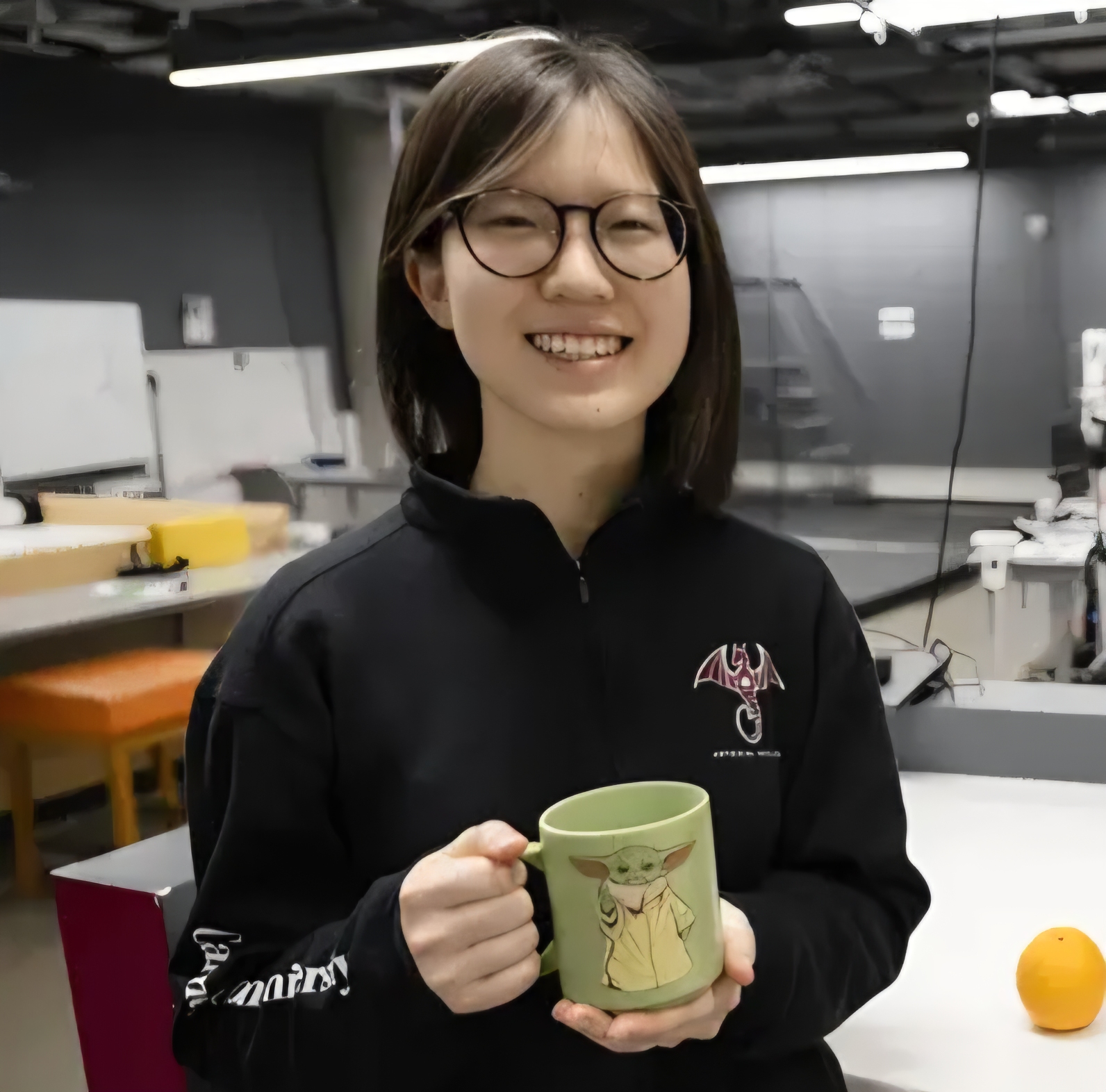
Glenda Hui-En Tan

Hello there! I'm a PhD researcher at Carnegie Mellon University passionate about leveraging ML to transform healthcare and caregiving.

Research Interests: Machine Learning for Healthcare and Caregiving  |  AI-Driven Assistive Technologies  |  Computer Vision

Glenda H. Tan

My motivation to work in ML for healthcare began in high school when my grandfather was diagnosed with colorectal cancer, driving me to explore how non-invasive deep learning models could enable earlier, life-saving detection. Today, my research sits at the intersection of computer vision, generative models, and assistive robotics—focused on building trustworthy AI systems that assist older adults, patients and clinicians in real-world environments.

Across my research career, I've published first-author papers in predictive health modeling for colorectal cancer and COVID-19 variants, engineered an assistive kitchen tracking system for older adults at the CMU Robotics Institute, and mentored 100+ CS students as Head TA for CMU's flagship Concepts of AI course.

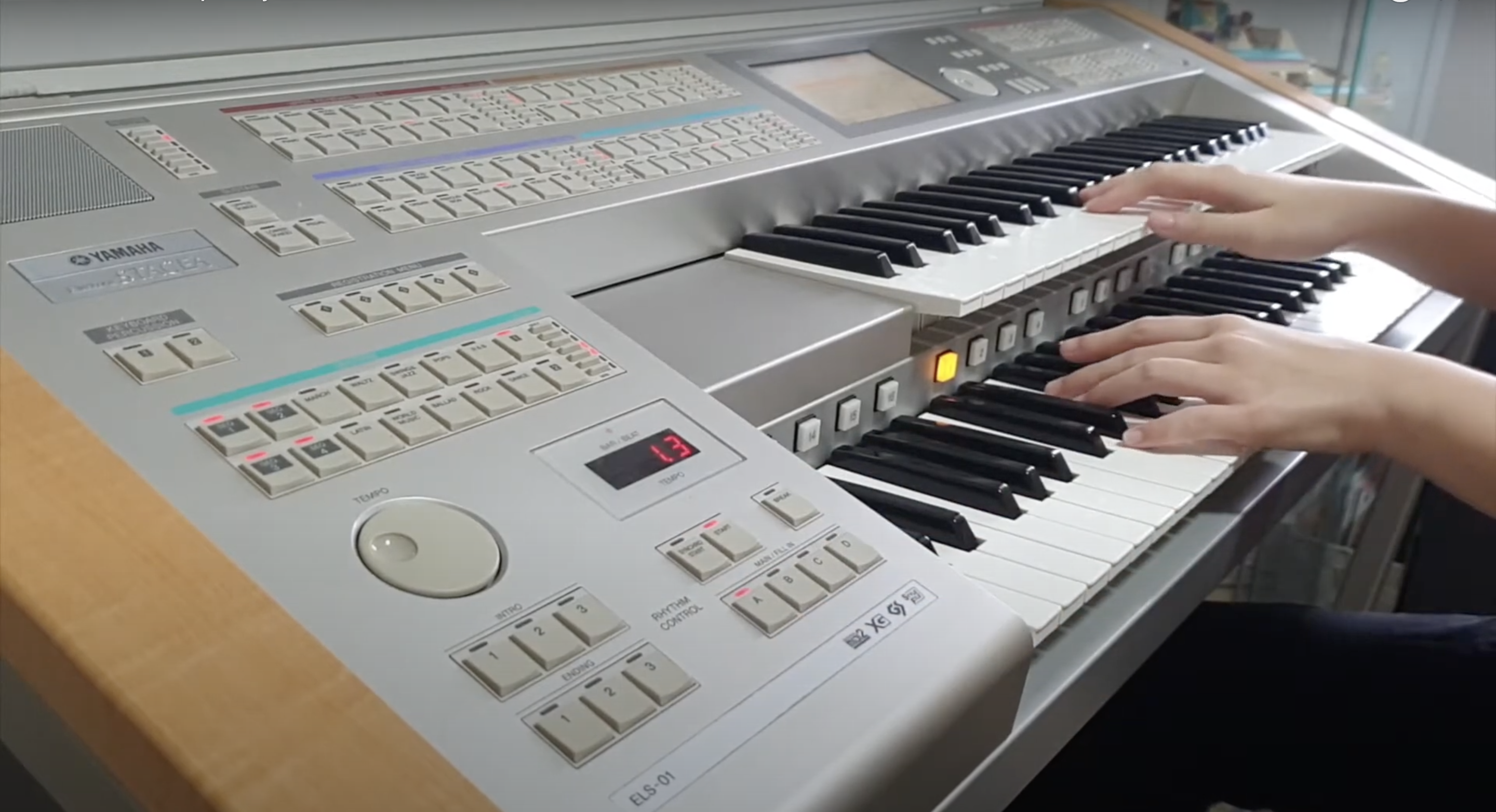
Outside the lab, you can find me building a life-sized BB-8 droid, dueling with lightsabers, or creating electric organ covers for my YouTube channel (@theglendalorian).

Doctor of Philosophy, Electrical & Computer Engineering
Carnegie Mellon College of Engineering
Aug 2026 — Present
Bachelor of Science, Artificial Intelligence
Carnegie Mellon School of Computer Science
Aug 2023 — May 2026

Research Experience

  • May 2024 — Present

    Research Assistant

    Carnegie Mellon University Robotics Institute
    • Developed an AI-driven tracking and localization system to assist older adults in locating kitchen items.
    • Engineered an object detector leveraging Grounded SAM 2 and prompt engineering to identify 20+ kitchen items across diverse meal-preparation scenarios.
    • Designed a scalable registration pipeline using RGB-D depth sensors to enable zero-shot system deployment across varied kitchen environments.
    • Evaluated system performance on real-world video datasets of 8 older adult participants preparing meals.
    • Recognition & Funding: Awarded the CMU Summer Undergraduate Research Fellowship (SURF 2025).
    • Advisors: Prof. Reid Simmons, Prof. Zackory Erickson, and Prof. Pragathi Praveena.
  • Jul 2021 — May 2022

    Deep Learning Research Intern

    Defense Science Organization National Laboratories Singapore
    • Conceptualized and implemented a Transformer-based predictive model to forecast future high-infectivity COVID-19 viral variants.
    • Achieved 90% accuracy in protein-protein interaction prediction by incorporating Masked Language Modeling (MLM), Sharpness-Aware Minimization (SAM), and custom data augmentation techniques.
    • Published as First Author: "Predicting More Infectious Virus Variants for Pandemic Prevention through Deep Learning" (CMLA 2022 & IJAIA 2022).
    • Awards: Singapore Science and Engineering Fair (SSEF) 2022 Gold Award; Regeneron ISEF 2022 Finalist.
    • Advisor: Dr. Bingquan Shen.
  • May 2020 — Jun 2021

    Machine Learning Research Intern

    Defense Science Organization National Laboratories Singapore
    • Architected a deep convolutional neural network for predicting colorectal cancer risks from stool images with 94% accuracy.
    • Addressed severe dataset scarcity by fine-tuning a DiffAugment StyleGAN2 pipeline to synthesize realistic, high-fidelity medical images.
    • Published as First Author: "Stool Recognition for Colorectal Cancer Detection through Deep Learning" (IEEE ICMI 2025).
    • Awards: SSEF 2021 Gold Award; Global Youth & Science Technology Bowl Hong Kong (GYSTB) Grand Prize (Bronze); Singapore University of Technology and Design Research & Innovation Award in Healthcare.
    • Advisor: Dr. Bingquan Shen.

Teaching Experience

  • Jan 2025 — May 2026

    Head Teaching Assistant, Concepts of AI Course (07-180)

    Carnegie Mellon University School of Computer Science
    • Led a team of 7 Teaching Assistants overseeing course logistics, grading, and recitations for 100+ freshman CS students.
    • Directed curriculum delivery covering core AI domains, including generative AI, neural networks, reinforcement learning (RL), and AI ethics.
    • Authored original assignments, exams, and a custom 2048 RL agent competition to promote hands-on algorithm implementation.
    • Conducted weekly recitations and office hours, achieving a 5.0 / 5.0 TA evaluation rating from students.
  • May 2021 — Jun 2021

    Coding Mentor

    Google Code in the Community Singapore
    • Mentored underprivileged Grade 3-6 students in coding every weekend.

Volunteer Experience

  • Jul 2026

    Conference Reviewer

    IEEE Spoken Language Technologies Conference 2026, Sicily, Italy
  • Aug 2025

    Conference Reviewer

    14th European Alliance for Innovation (EAI) International Conference: ArtsIT, Interactivity & Game Creation 2025, Dubai, UAE

2025

Vision and Tracking in a Smart AI Kitchen for Older Adults

Glenda Tan, Jessica Han, Ryan Ding, and Pranavi Kondapalli

CMU Meeting of the Minds Undergraduate Research Symposium 2025, Pittsburgh USA, Apr 2025

Summer Undergraduate Research Fellowship 2025

Cognitive decline associated with aging can present a myriad of challenges to everyday functions, such as in locating items, which can hinder an individual's ability to prepare meals. In this work, we propose a system that uses an overhead RGB-D camera and zero-shot object detection models to identify and track items in 3D as they are being used in a kitchen. Our pipeline employs several strategies to achieve stable object tracking and object permanence even despite transient occlusions. We further ground the 3D coordinates of each tracked item using their semantic kitchen locations, which we define using a highly scalable registration procedure. We evaluate our system on a set of eight videos of older adults (median age = 78), captured in two different kitchens, and achieve reasonable performance in complex, ecologically valid scenes. Finally, we demonstrate how our pipeline can inform interaction with a user through CookerLooker, a mobile app that helps users easily locate items in their kitchen. To help catch when items are misplaced, the app includes a module that evaluates the appropriateness of item placements, information that could further inform assistive interactions with the user. In integrating our pipeline with CookerLooker, we attempt to address common challenges faced by older adults in the kitchen, empowering them to age independently.

Stool Recognition for Colorectal Cancer Detection through Deep Learning

Glenda Tan, Karin Goh, and Bingquan Shen

IEEE 4th International Conference on Computing and Machine Intelligence, Michigan USA, Apr 2025

arXiv PDF
  • Gold Award, Singapore Science and Engineering Fair 2021
  • Singapore University of Technology and Design Research & Innovation Award: Healthcare
  • Grand Prize Bronze Award, Global Youth Science and Technology Bowl 2021 Hong Kong
  • Represented Singapore at Global Youth Science and Technology Bowl 2021 Hong Kong

Colorectal cancer is the most common cancer in Singapore and the third most common cancer worldwide. Blood in a person's stool is a symptom of this disease, and it is usually detected by the faecal occult blood test (FOBT). However, the FOBT presents several limitations - the collection process for the stool samples is tedious and unpleasant, the waiting period for results is about 2 weeks and costs are involved. In this research, we propose a simple-to-use, fast and cost-free alternative - a stool recognition neural network that determines if there is blood in one's stool (which indicates a possible risk of colorectal cancer) from an image of it. As this is a new classification task, there was limited data available, hindering classifier performance. Hence, various Generative Adversarial Networks (GANs) (DiffAugment StyleGAN2, DCGAN, Conditional GAN) were trained to generate images of high fidelity to supplement the dataset. Subsequently, images generated by the GAN with the most realistic images (DiffAugment StyleGAN2) were concatenated to the classifier's training batch on-the-fly, improving accuracy to 94%. This model was then deployed to a mobile app - Poolice, where users can take a photo of their stool and obtain instantaneous results if there is blood in their stool, prompting those who do to seek medical advice. As "early detection saves lives", we hope our app built on our stool recognition neural network can help people detect colorectal cancer earlier, so they can seek treatment and have higher chances of survival.

AI vs Human Creativity: Investigating the Effectiveness of AI-Generated Advertisements

Calvin Chan and Glenda Tan

National Conference of Undergraduate Research, Pittsburgh USA, Apr 2025

PDF

CMU Office of Undergraduate Research and Scholar Development Presentation Award 2025

With rapid advancements in artificial intelligence (AI), many companies have begun incorporating generative AI into their advertising strategies, producing unique and engaging commercials that transcend the limits of traditional advertising. Given the immense success of these campaigns, this research aims to investigate if AI-generated ads can outperform their human-made counterparts in increasing consumer demand, and if so, the factors contributing to their greater success. To answer these questions, we first conducted two case analyses on Nike's "Never Done Evolving" ft. Serena Williams campaign and Coca-Cola's "Y3000" campaign. Next, we devised a theoretical framework of three potential success factors for AI-generated ads (complexity, creativity, and familiarity). Finally, a week-long field study was conducted on 240 Carnegie Mellon University students across different years and majors to study the effectiveness of AI-generated ads in increasing club membership of campus organizations, with club membership serving as a proxy for consumer demand. In this study, participants were randomly partitioned into four groups, with each group surveyed on how likely they were to join a club after viewing one of four posters (three AI-generated posters based on each factor of success and one human-made poster). Through this study, we discovered that although AI-generated posters are generally more effective than human-made posters in capturing people's attention, their human-made counterparts are still more effective in increasing club membership. While AI-generated posters attract a larger audience, there is greater variation in the interest level of the audience. Future research can further explore the impact of AI advertisements on various aspects of marketing, such as click-thru rates and sales on different marketing platforms such as e-commerce.

2024

The Role of Artificial Intelligence in Art Restoration

Glenda Tan and Chad Szalkowski-Ference

WOVEN: An Interdisciplinary Journal of Dietrich College CMU, Issue 4, Spring 2024, Apr 2024

PDF

Art restoration, the practice of returning a damaged artwork to its original condition, is challenging: each artwork requires a unique treatment and complex ethical boundaries may be crossed. However, this field can be transformed by today's artificial intelligence (AI) algorithms, which currently excel in artistic tasks. Hence, this research aims to elucidate the role of AI in art restoration, specifically in restoring damaged paintings. To achieve this, an AI image enhancer web application was tested on images of three damaged paintings, with its digital reconstructions benchmarked against the actual restorations using various technical and aesthetic metrics. Results show that AI currently plays the role of an assistant in the analysis stage of art restoration: while AI can propose feasible intervention methods and produce digital reconstructions to aid art restorers in restoration (accelerating, improving accuracy and lowering costs), it cannot guide them in navigating complex ethical boundaries. Art restorers are still responsible for striking the balance between improving an artwork's legibility and respecting the original creation. These findings showcase the potential of AI to the artistic and historical communities, spurring further research into developing more effective AI algorithms.

2023

The fourth annual Carnegie Mellon Libraries hackathon for biomedical data management, knowledge graphs, and deep learning

Jedrzej Kubica, Rachit Kumar, Glenda Tan, Van Q. Truong, David Enoma, Nicholas P. Cooley, Minhyek Jeon, Chiao-Feng Lin, Minh Tran, Amrita R. Choudhury, Xinrong Du, Shashank Katiyar, Andrew Lutsky, Rajarshi Mondal, Aniket Naik, Soham Shirolkar, Thomas Y. Tam, Amy Q. Zhou, Kristen Scott, and Ben Busby

BioHackrXiv, Nov 2023

PDF

In October 2023, a group of 44 scientists hailing from several U.S. states, Canada, Poland, and Switzerland came together for a hybrid in-person and virtual hackathon. The event was jointly hosted by Carnegie Mellon University Libraries and DNAnexus, a California-based cloud computing and bioinformatics company. This collaborative effort revolved around the theme of "Data Management and Graph Extraction for Large Transformer Models in the Biomedical Space." In the spirit of fostering collaboration, participants organized themselves into five teams, which ultimately resulted in the successful completion of four hackathon projects. These projects encompassed a wide range of topics, from detecting features contributing to virus susceptibility to validating models using knowledge graphs. Repositories for the hackathon projects are available at github.com/collaborativebioinformatics. We hope that the insights and experiences shared by these teams, as detailed in the following manuscript, will prove valuable to the broader scientific community.

2022

Anti-virus Autobots: Predicting More Infectious Virus Variants for Pandemic Prevention through Deep Learning

Glenda Tan, Tze Erhn Koay, and Bingquan Shen

4th International Conference on Machine Learning and Applications, vol. 12, no. 11, Copenhagen Denmark, Jun 2022

arXiv PDF
  • Gold Award, Singapore Science and Engineering Fair 2022
  • Represented Singapore at Regeneron International Science and Engineering Fair 2022 Atlanta USA

More infectious virus variants can arise from rapid mutations in their proteins, creating new infection waves. These variants can evade one's immune system and infect vaccinated individuals, lowering vaccine efficacy. Hence, to improve vaccine design, this project proposes Optimus PPIme - a deep learning approach to predict future, more infectious variants from an existing virus (exemplified by SARS-CoV-2). The approach comprises an algorithm which acts as a "virus" attacking a host cell. To increase infectivity, the "virus" mutates to bind better to the host's receptor. 2 algorithms were attempted - greedy search and beam search. The strength of this variant-host binding was then assessed by a transformer network we developed, with a high accuracy of 90%. With both components, beam search eventually proposed more infectious variants. Therefore, this approach can potentially enable researchers to develop vaccines that provide protection against future infectious variants before they emerge, pre-empting outbreaks and saving lives.

Predicting More Infectious Virus Variants for Pandemic Prevention through Deep Learning

Glenda Tan, Tze Erhn Koay, and Bingquan Shen

International Journal of Artificial Intelligence and Applications, vol. 13, no. 4, Jul 2022

arXiv PDF
  • Gold Award, Singapore Science and Engineering Fair 2022
  • Represented Singapore at Regeneron International Science and Engineering Fair 2022 Atlanta USA

More infectious virus variants can arise from rapid mutations in their proteins, creating new infection waves. These variants can evade one's immune system and infect vaccinated individuals, lowering vaccine efficacy. Hence, to improve vaccine design, this project proposes Optimus PPIme - a deep learning approach to predict future, more infectious variants from an existing virus (exemplified by SARS-CoV-2). The approach comprises an algorithm which acts as a "virus" attacking a host cell. To increase infectivity, the "virus" mutates to bind better to the host's receptor. 2 algorithms were attempted - greedy search and beam search. The strength of this variant-host binding was then assessed by a transformer network we developed, with a high accuracy of 90%. With both components, beam search eventually proposed more infectious variants. Therefore, this approach can potentially enable researchers to develop vaccines that provide protection against future infectious variants before they emerge, pre-empting outbreaks and saving lives.

Core Research Areas

Generative & Language Models

Large Language Models (LLMs) Diffusion Models Generative Adversarial Networks (GANs) Transformer Models Prompt Engineering

Speech & Audio Processing

Speech Technology Speech Recognition (ASR) Text-to-Speech (TTS)

Vision & Multimodal Systems

Computer Vision Vision-Language Models (VLMs) Convolutional Neural Networks (CNNs) OpenCV

Frameworks, Tools & Languages

Deep Learning & Agents

PyTorch Hugging Face TensorFlow Keras LangChain LangGraph

Data Science & ML Libraries

NumPy Pandas Scikit-Learn

Programming Languages

Python C C++ Java JavaScript HTML/CSS Swift R

Academic & Professional Service

Research & Writing

Academic Writing Grant/Paper Writing Literature Review

Academic Service

Conference Reviewing Teaching/Mentoring Community Outreach

Languages

English Chinese Spanish Japanese

Technical Projects

Project image

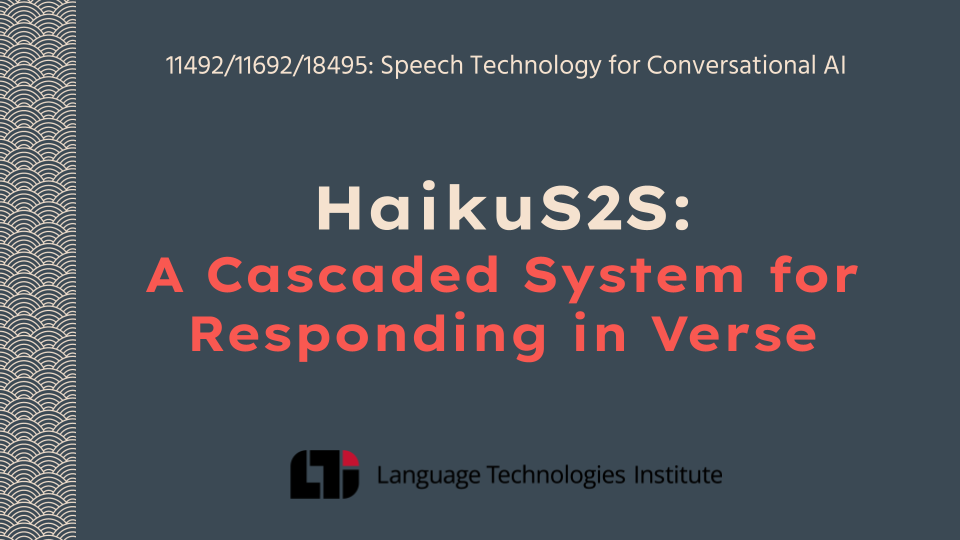
HaikuS2S: A Cascaded Speech-to-Speech System for Responding in Verse

Apr 2026 – Present

The ancient Greeks often consulted the Oracle of Delphi for poetic wisdom. HaikuS2S brings that classic experience into the AI age, responding to your conveyed desires in a 5-7-5 syllable haiku!

Project image

Life-sized Functional BB-8 Droid

Apr 2024 – Present

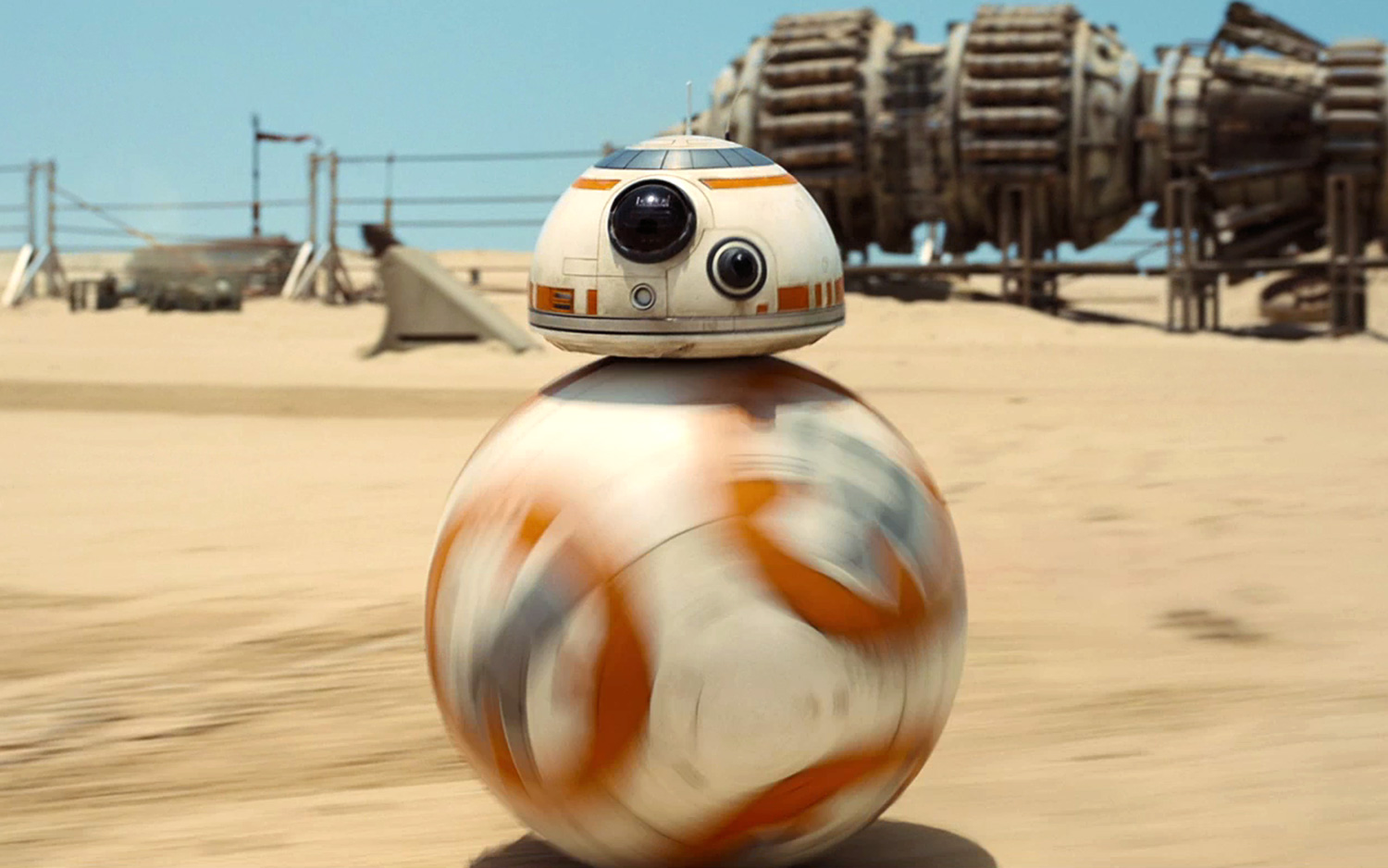
As the lead programmer of the CMU Robotics Club BB-8 Droid Project (a collaboration with CMU Star Wars Club), I'm leading 20 members in building a life-sized BB-8 droid and programming its Arduino circuits. We're on a roll!

Project image

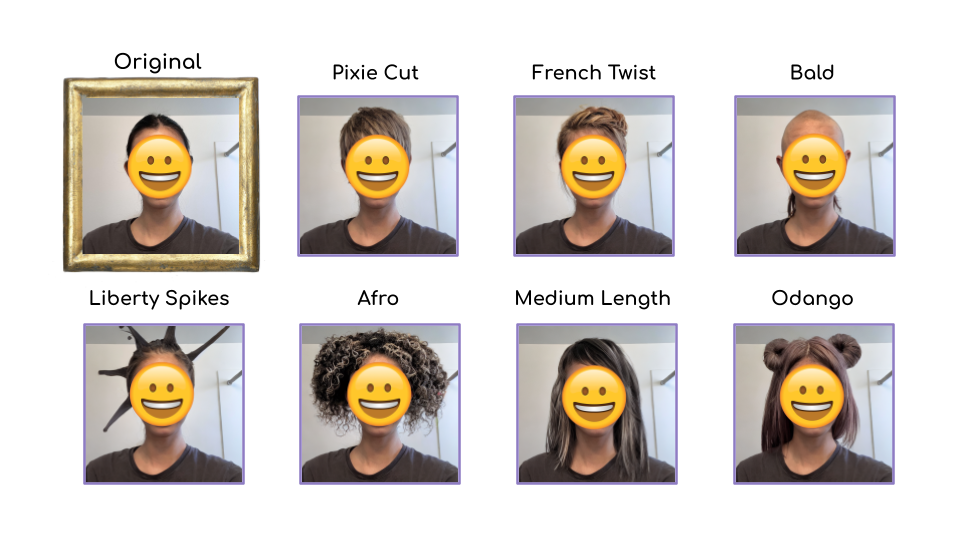
Hair Diffuser: Personalized Hairstyle Simulation via Diffusion Models

Nov 2025 – Dec 2025

Have you ever wanted to change your hairstyle but worried about how you would look? Introducing Hair Diffuser, a generative AI pipeline that simulates how you would look in your desired hairstyle...

Project image

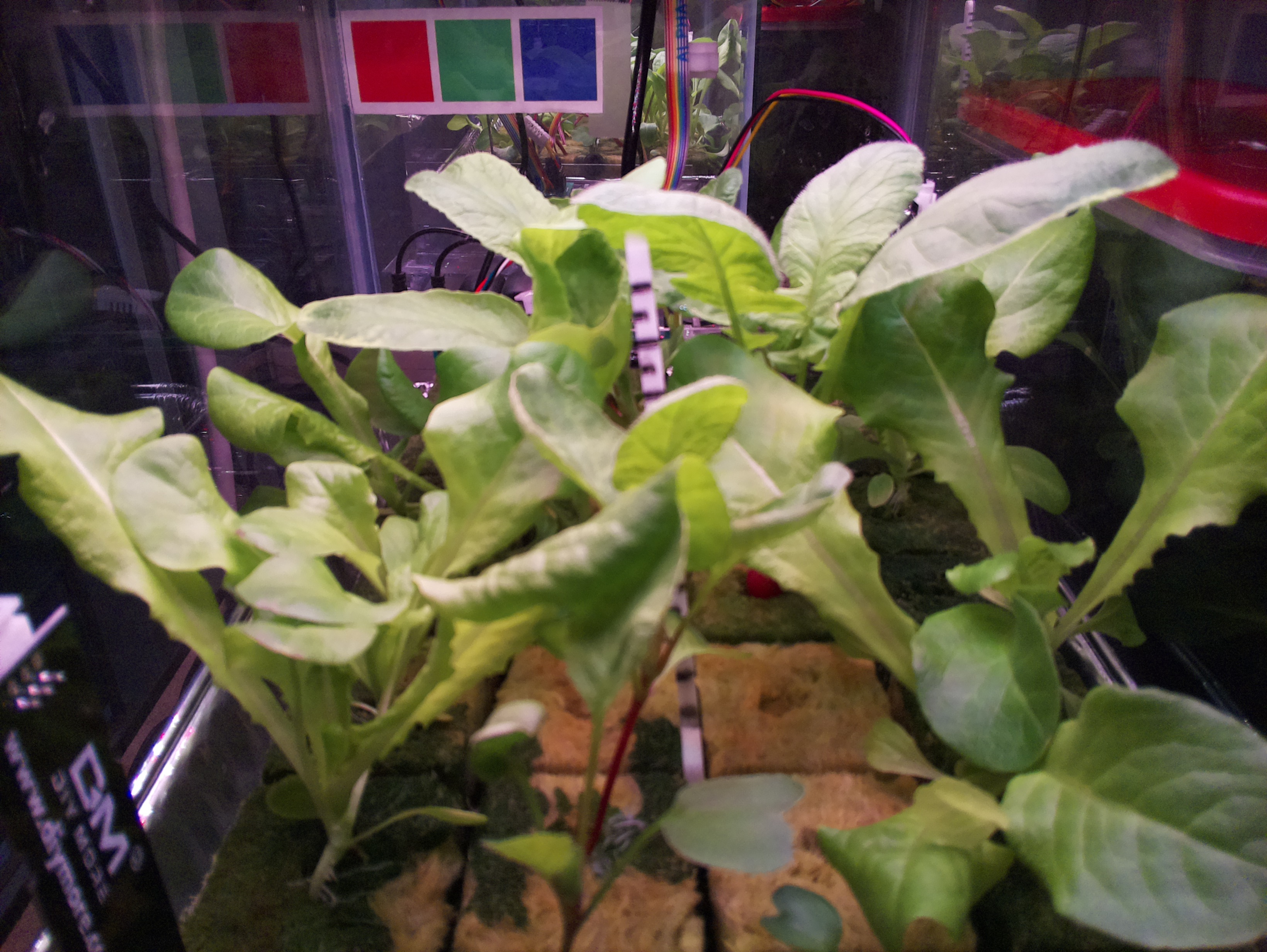
Autonomous Greenhouse System

Aug 2025 – Nov 2025

I programmed an autonomous greenhouse agent with three friends to grow radishes and lettuce without any human intervention for my Autonomous Agents Course Project!

Project image

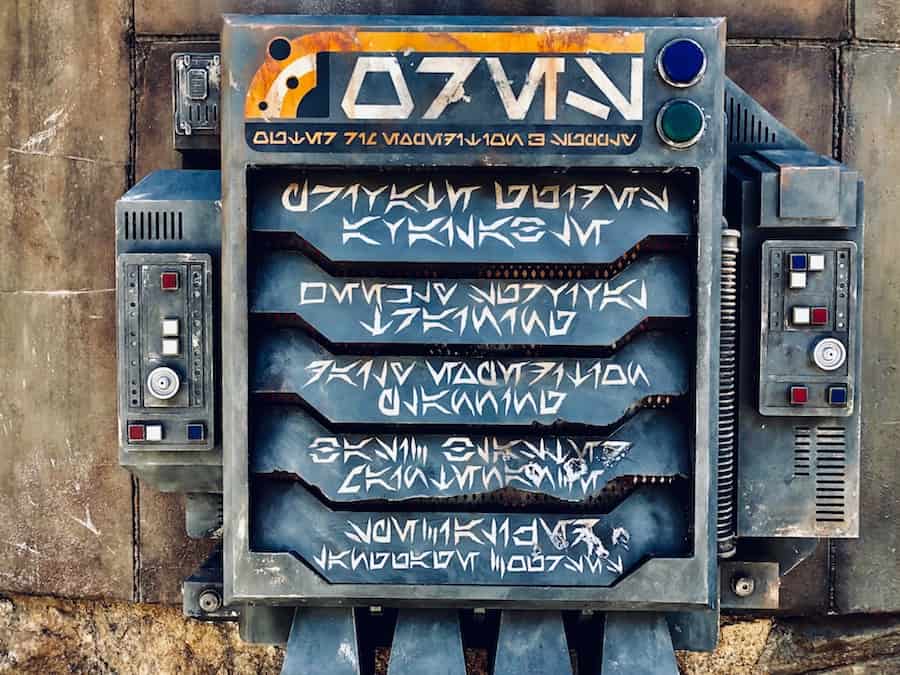
Aurebesh Decoder: Star Wars Script Translation

Apr 2025 – May 2025

I built Aurebesh Decoder with two friends to translate messages in the Star Wars language of Aurebesh to English as part of our Machine Learning Course Final Project!

Leadership & Community

Project image

CMU Star Wars Club

Dec 2023 – Present

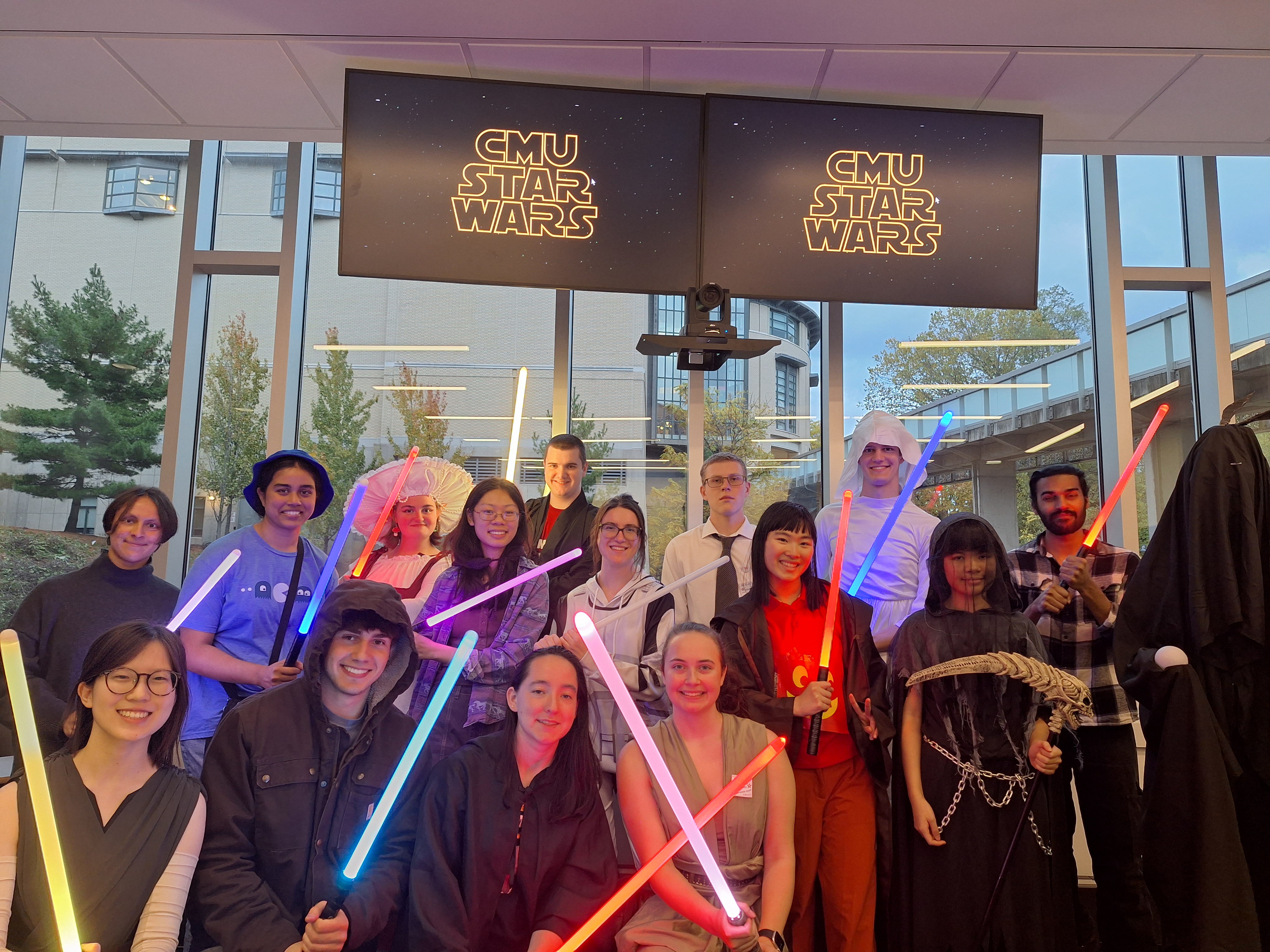
I co-founded the CMU Star Wars Club with two friends in Fall 2023 to build a community of Star Wars fans across the CMU galaxy. Check out some activities that I've led as the 2024-2025 President!

Project image

AI in Action Seminar Series

Aug 2024 – May 2026

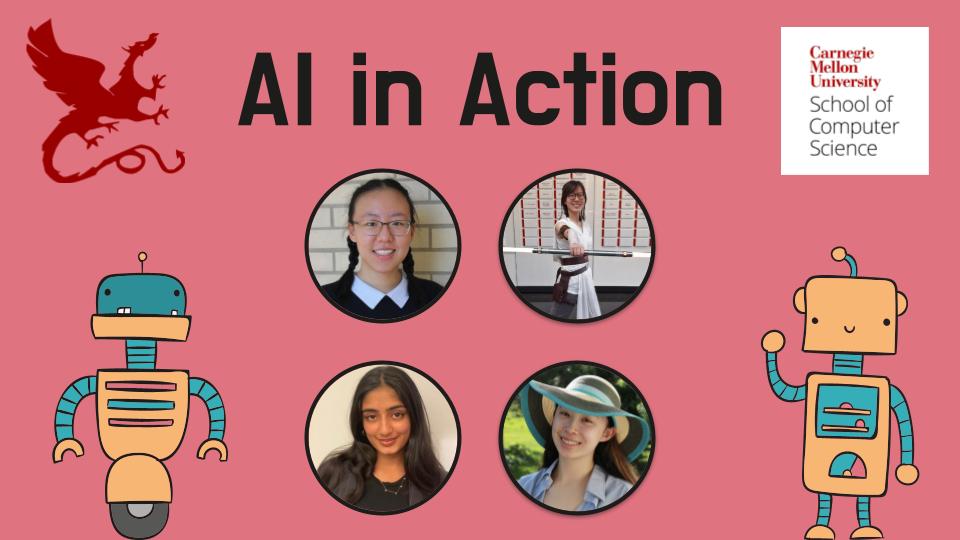
I was a member of the organizing team for AI in Action, a CMU SCS seminar series that invites AI leaders to share their insights with the CMU community! Previous speakers include Nobel Laureate Prof. Geoffrey Hinton.

Creative

Project image

YouTube Channel

May 2020 – Present

Check out my electric organ YouTube channel for movie/anime/video game soundtracks, pop songs, classics and more! I post new videos every month.

Watch on YouTube

Let's talk!

Open to conversations about assistive ML, caregiving technology, or collaboration.